


The Evolution of Fashion and Music Trends
- 83 Forty Group

- Mar 9
- 3 min read
Music and fashion have always walked hand in hand. They shape each other, reflect culture, and inspire change. Over the decades, both have evolved dramatically. I want to take you on a journey through time to explore how music and fashion trends have grown, shifted, and influenced one another. This story is about creativity, identity, and expression.
The Early Days of Music and Fashion Trends
In the early 20th century, music genres like jazz and blues emerged. These styles brought new sounds and new ways of dressing. Jazz musicians often wore sharp suits and fedoras. This look became a symbol of sophistication and rebellion. Women embraced flapper dresses, short haircuts, and bold makeup. These fashion choices matched the energetic and free spirit of the music.
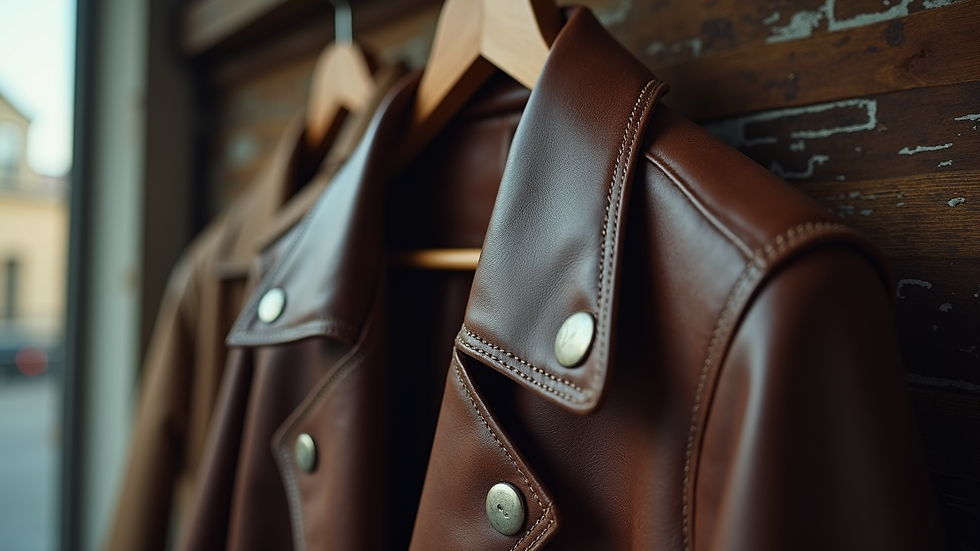
As rock and roll took over in the 1950s, fashion followed. Leather jackets, jeans, and slicked-back hair became popular. Icons like Elvis Presley set the tone. Their style was casual but edgy. It spoke to youth who wanted to break away from tradition.
How Fashion and Music Trends Shape Each Other
Fashion and music trends are like a conversation. One influences the other, and vice versa. When a new music style appears, it often brings a fresh look. Musicians become trendsetters. Fans want to dress like their idols. This creates a ripple effect in fashion.
For example, the punk movement in the 1970s was loud and raw. Punk music was aggressive and anti-establishment. The fashion matched perfectly - ripped clothes, safety pins, and bold hairstyles. This look was a statement. It challenged norms and expressed anger and freedom.
In the 1980s, pop stars like Madonna and Michael Jackson changed the game. Their music was catchy and upbeat. Their fashion was flashy and bold. Think lace gloves, oversized jackets, and bright colors. These trends spread quickly and influenced mainstream fashion.
How does music influence fashion trends?
Music influences fashion trends by setting moods and attitudes. When a new sound hits the scene, it often comes with a new style. Musicians use fashion to express their identity and message. Fans adopt these styles to show belonging and admiration.
Hip-hop is a great example. It started in the 1970s in New York. The music was about street life and culture. The fashion was baggy pants, sneakers, and gold chains. This style became a global phenomenon. It influenced not just music fans but also designers and brands.
Music festivals today show this connection clearly. Attendees dress in ways that reflect the music they love. Bohemian styles, vintage looks, and bold accessories are common. These events keep the cycle of music and fashion trends alive and vibrant.

The Digital Age and Its Impact on Music and Fashion
The internet changed everything. Music and fashion trends spread faster than ever. Social media platforms let artists share their style instantly. Fans can copy looks and share their own takes. This creates a global community of trendsetters.
Streaming services and online stores make music and fashion accessible worldwide. New genres and styles emerge quickly. K-pop, for example, blends catchy music with colorful, futuristic fashion. It has a massive global following. This shows how digital tools amplify the connection between music and fashion.
Small businesses and individuals can now tap into these trends. They create unique merchandise and branding that reflect current styles. This helps them stand out and connect with their audience. The blend of music culture and fashion is a powerful tool for branding.
What the Future Holds for Fashion and Music Trends
Looking ahead, the fusion of music and fashion will only grow stronger. Technology like virtual reality and AI will create new ways to experience and express style. Customization and sustainability will become key. Fans want to support brands that reflect their values.
The rise of lifestyle brands that combine music, fashion, and design is a clear sign. These brands offer more than products - they offer identity and community. They empower individuals and small businesses to express themselves creatively.
If you want to stay ahead, watch how music and fashion evolve together. Look for emerging artists and designers. Pay attention to cultural shifts and new technologies. This will help you create relevant and exciting branding and merchandise.
Music and fashion are more than trends. They are a language. They tell stories about who we are and who we want to be. Embracing this connection can inspire creativity and success.
This journey through the evolution of fashion and music trends shows how deeply connected these worlds are. They influence culture, identity, and business. By understanding their history and future, you can harness their power to create something unique and meaningful.


Comments